How to Choose Your Nude Nail Shade: Pink, Peach, Beige, or Brown?
Find your nude nail shade with Kim's practical guide to pink, peach, beige, and brown. Compare color family, depth, and coverage against your own hands.
Published:
By Kim at Polished by Kim
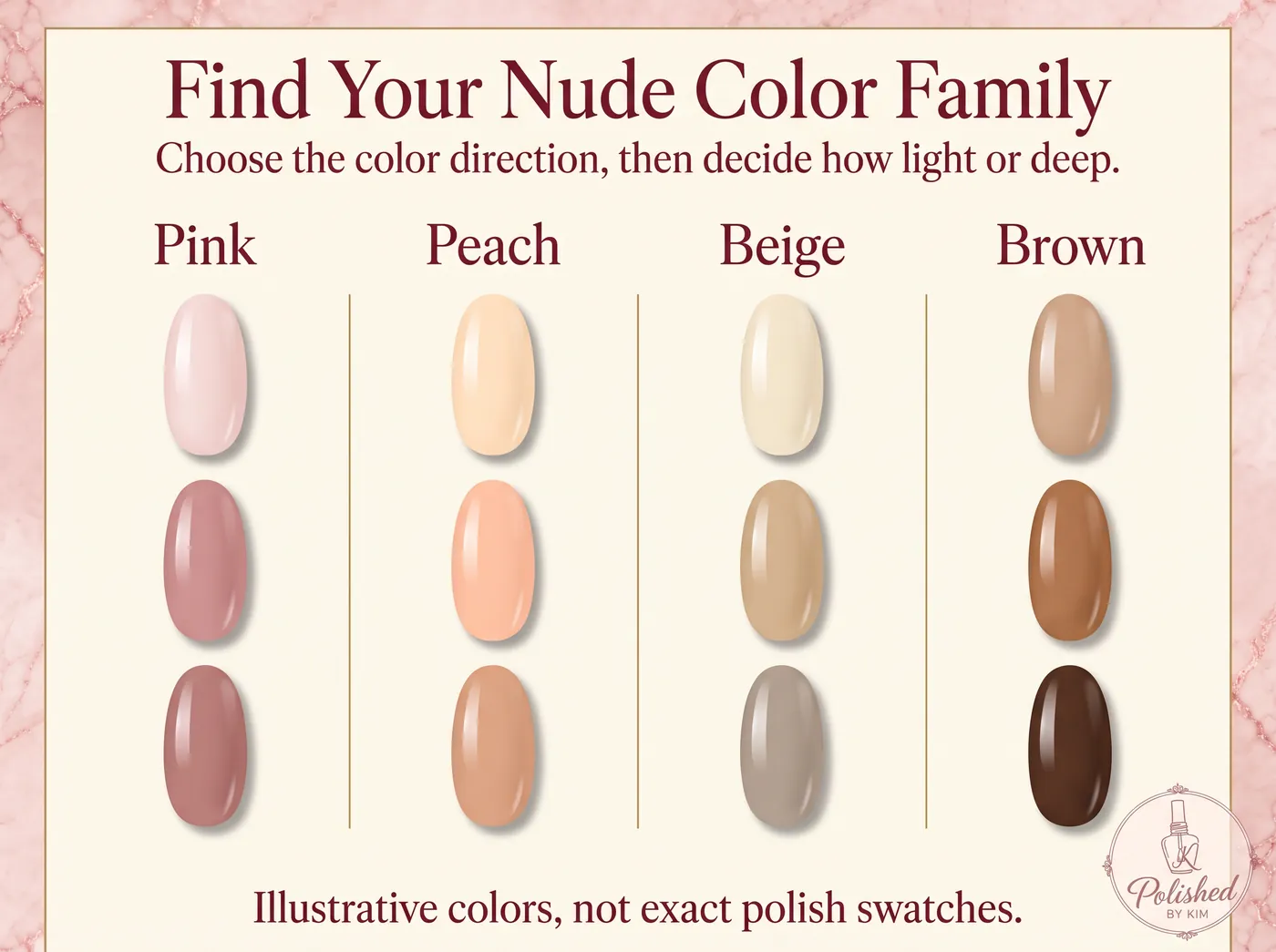
Four directions to explore
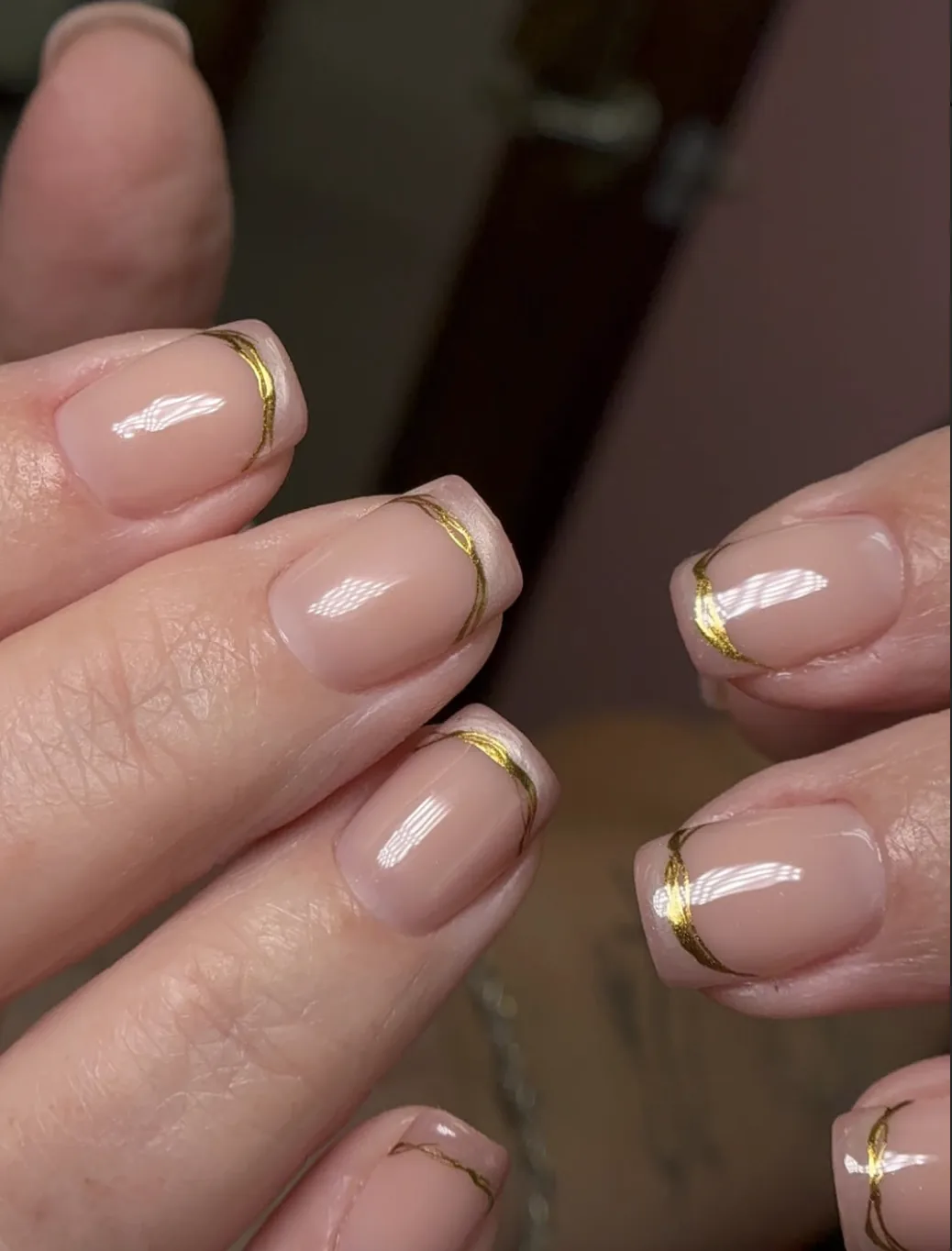
Pink, peach, beige, and brown are color families, not complexion categories. Compare lighter and deeper versions according to the effect you want.
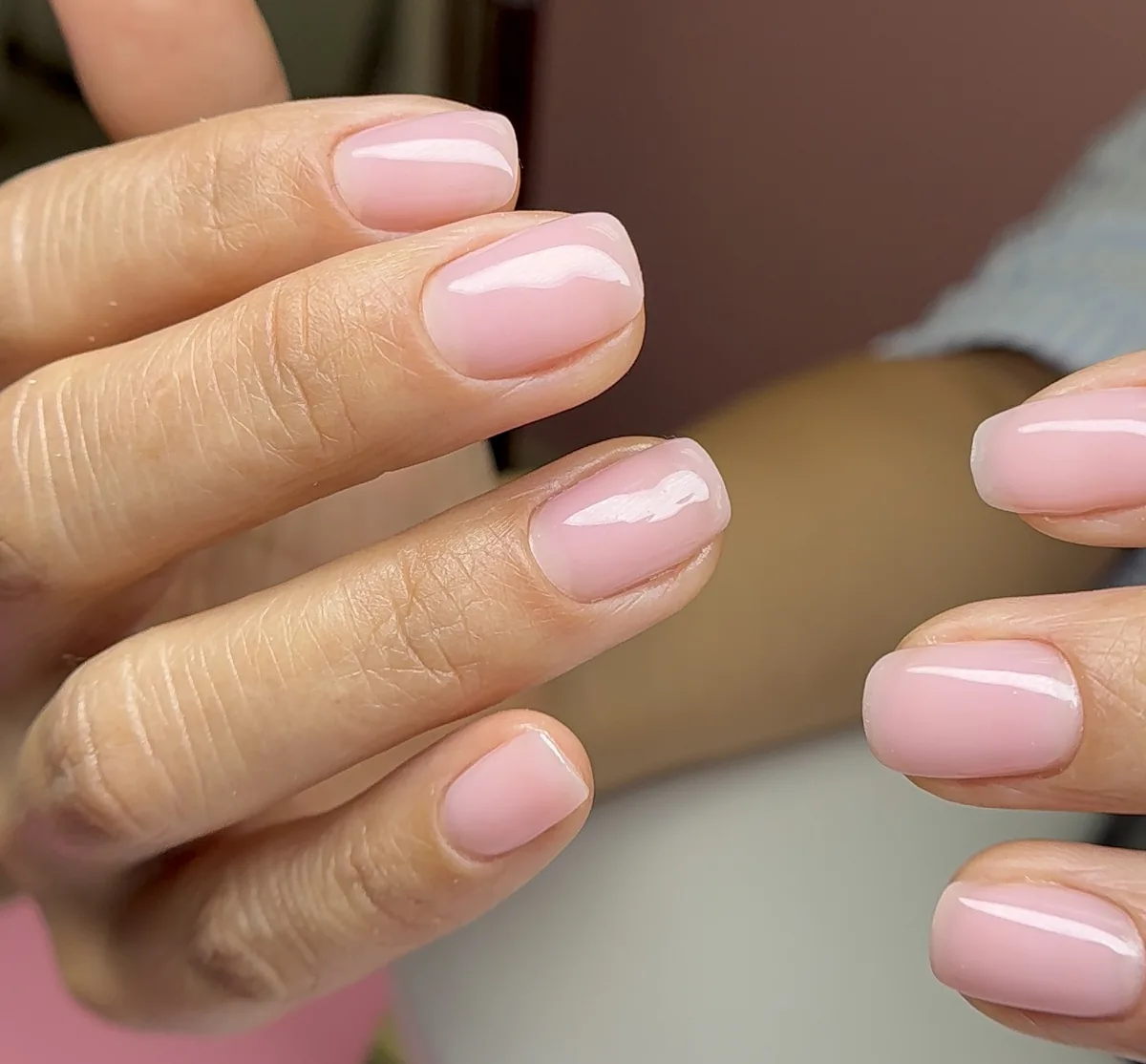
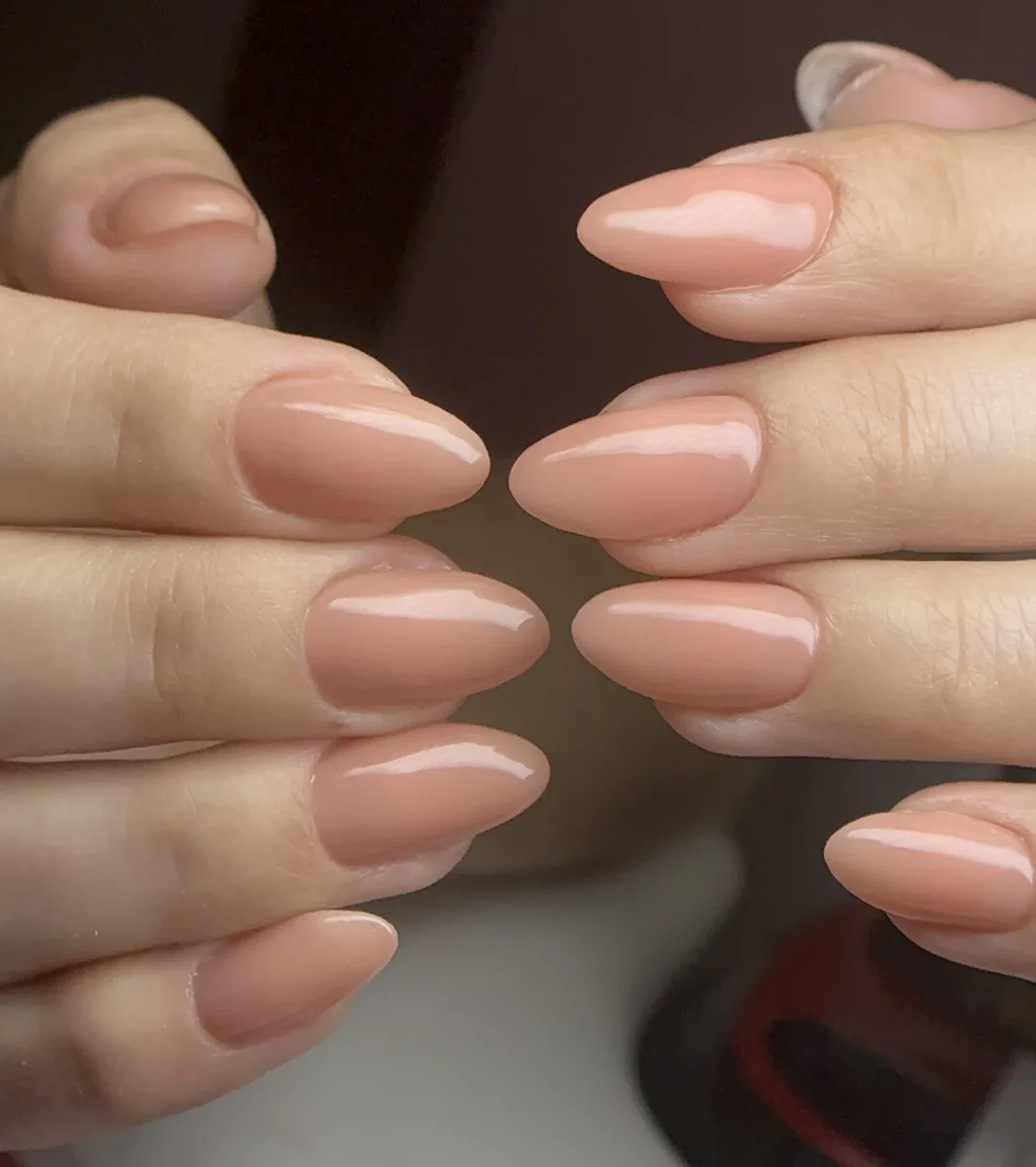
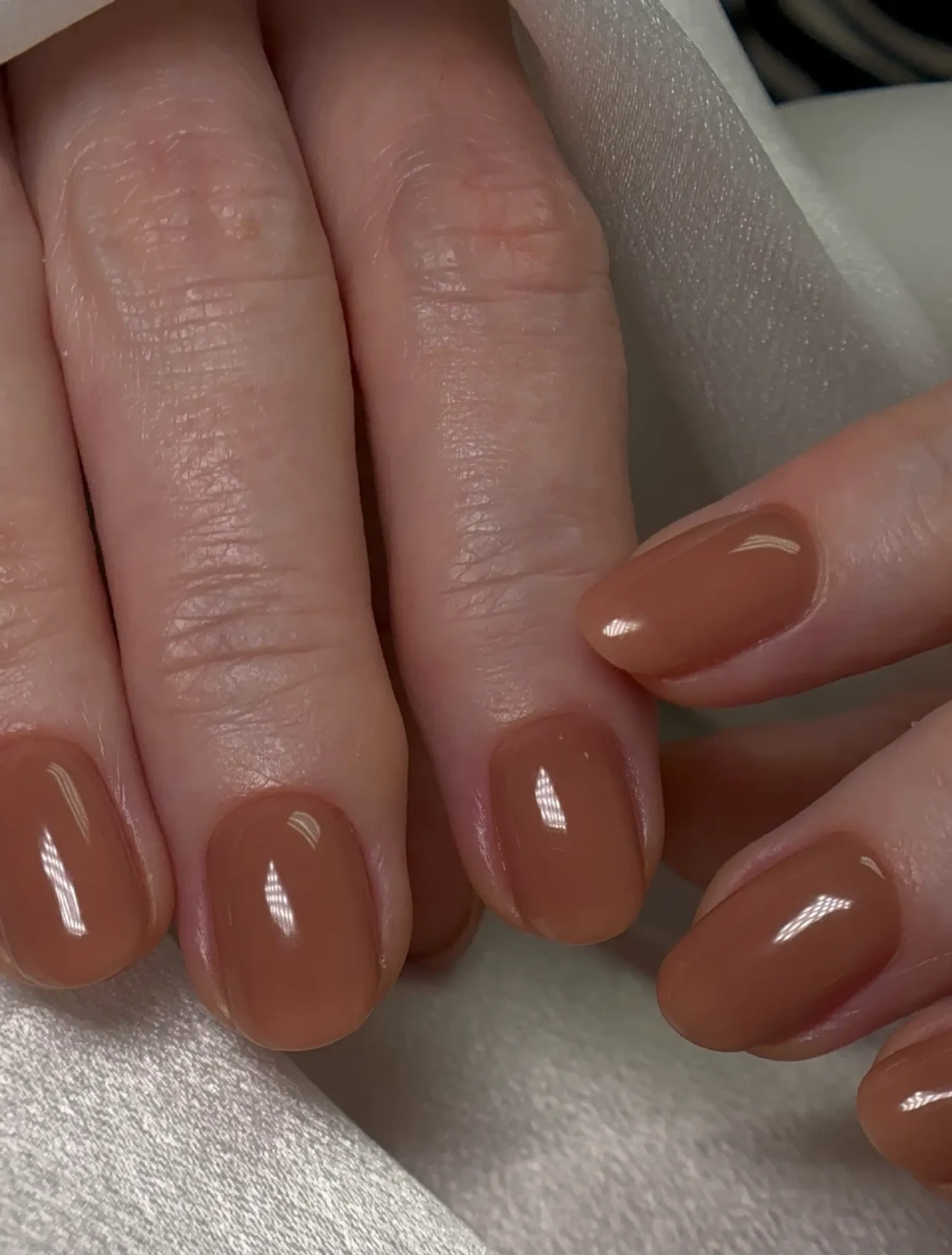
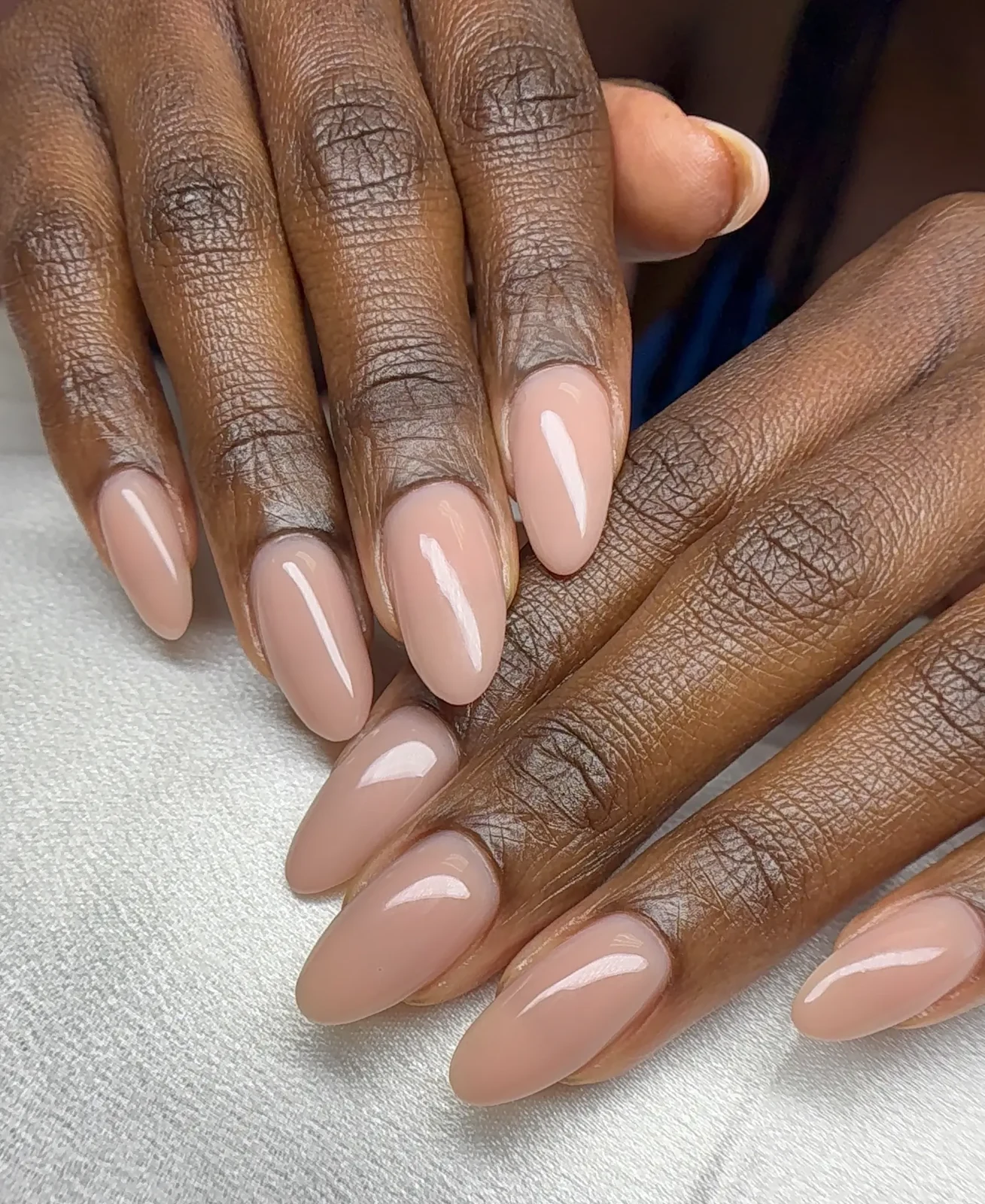
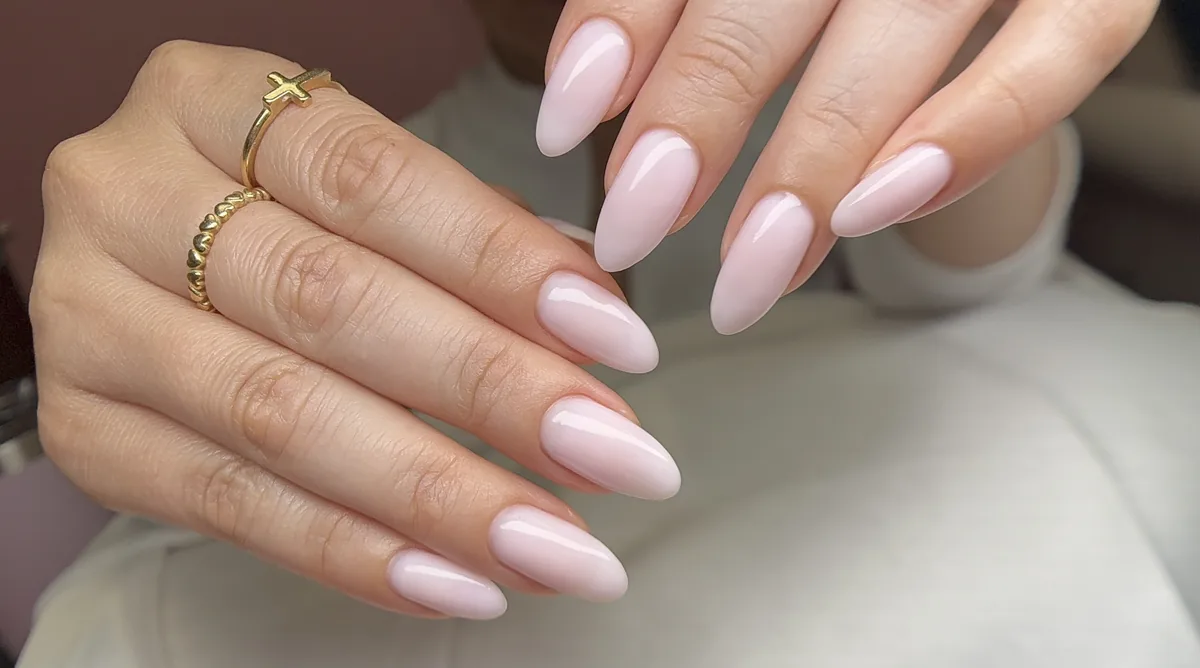
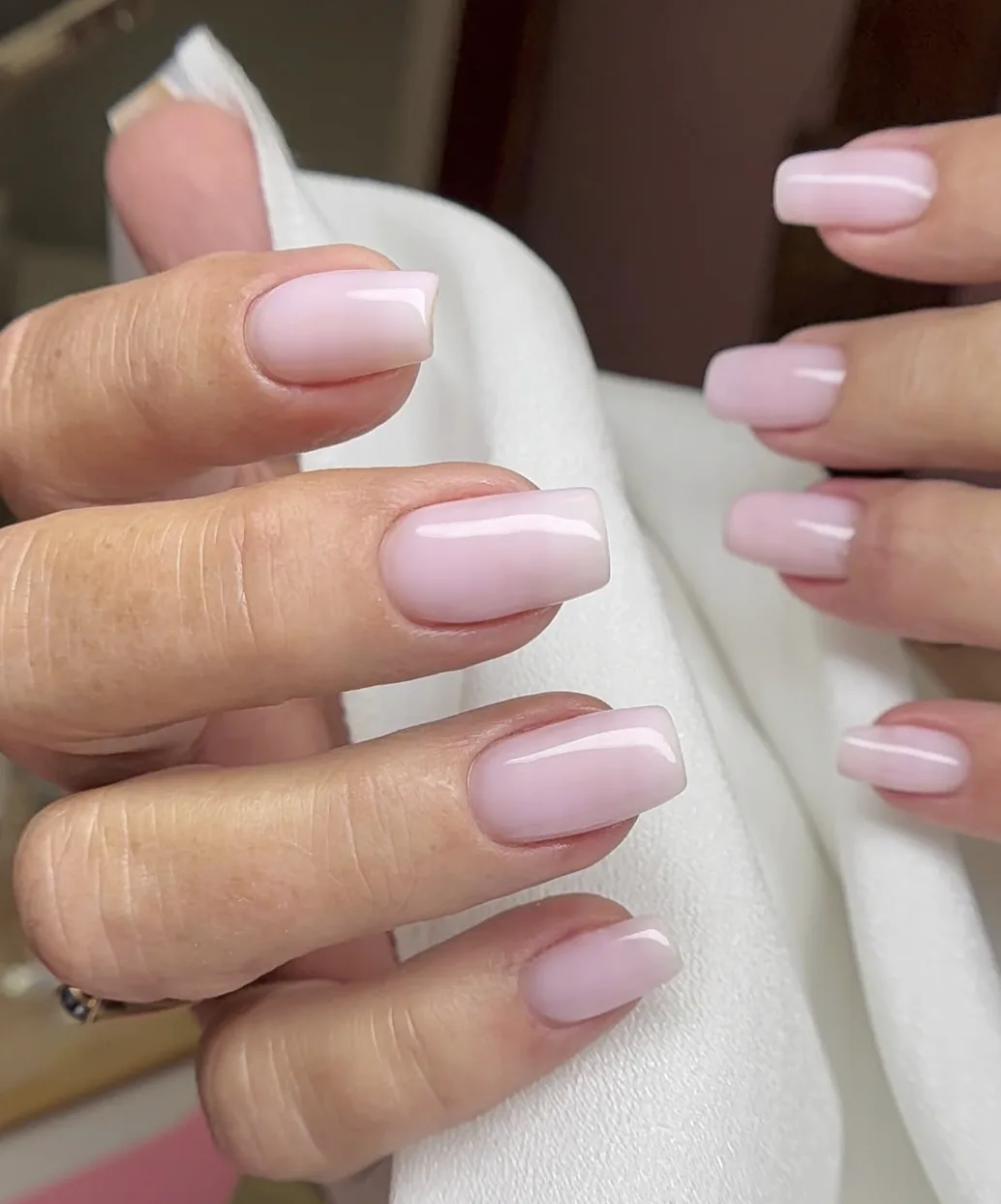
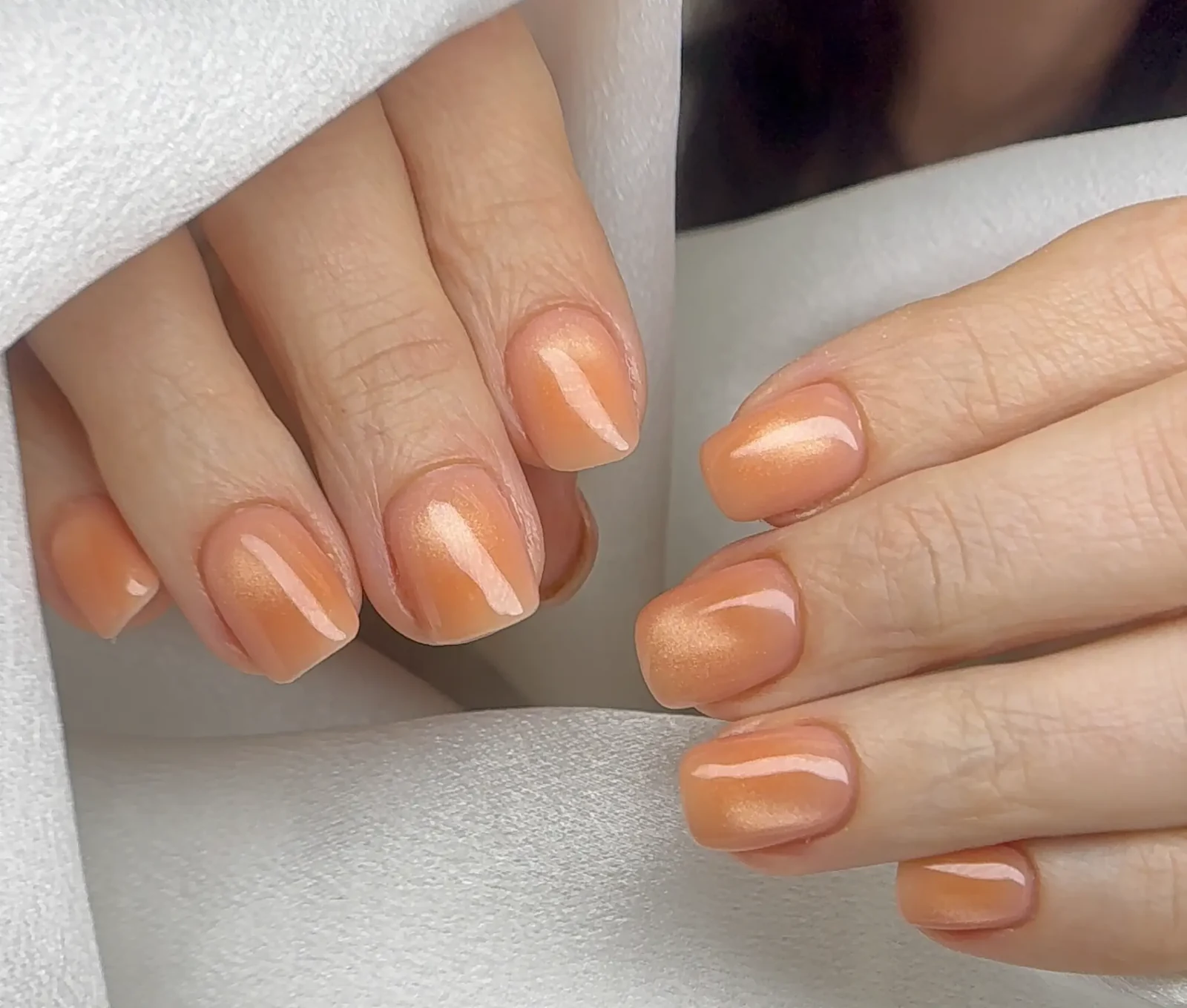
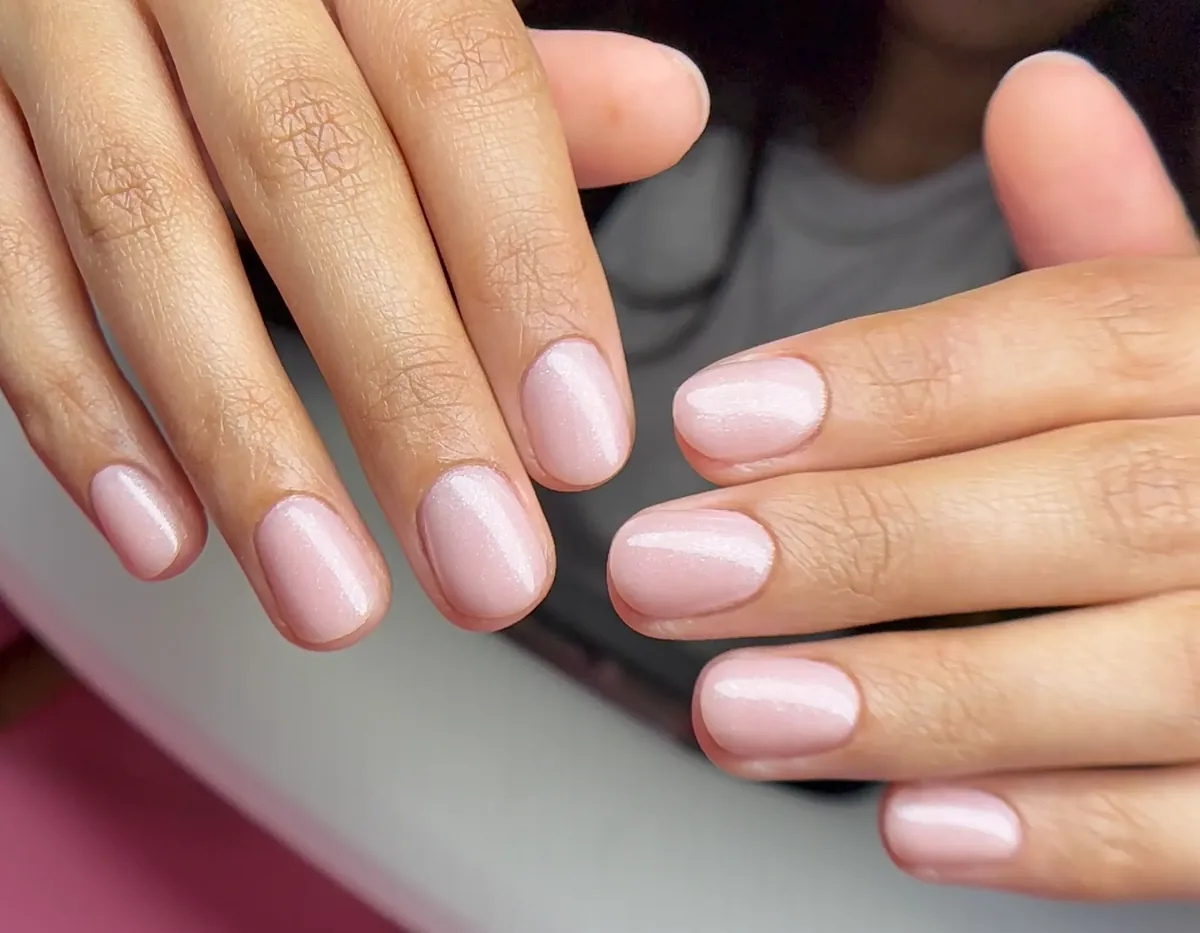
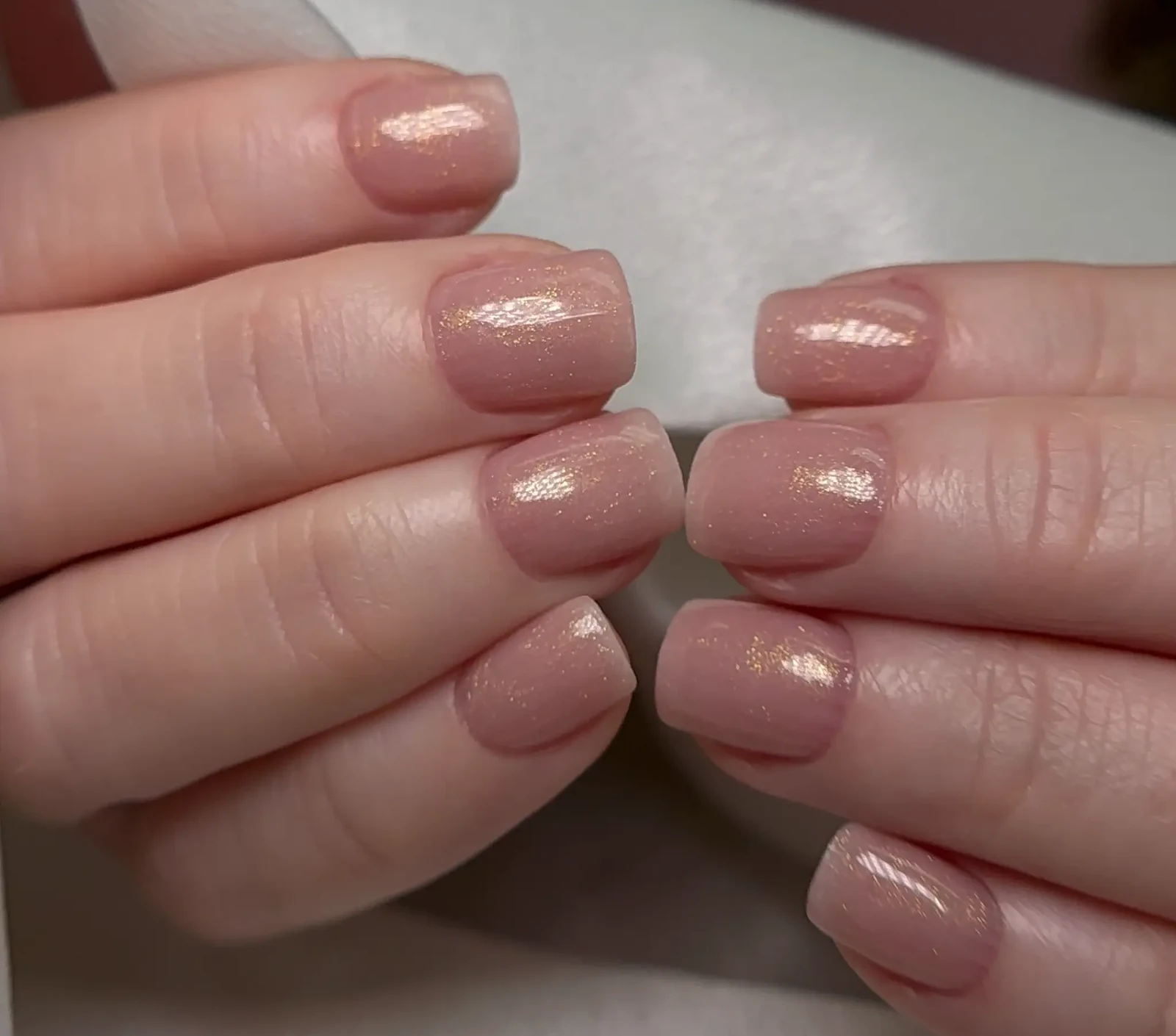
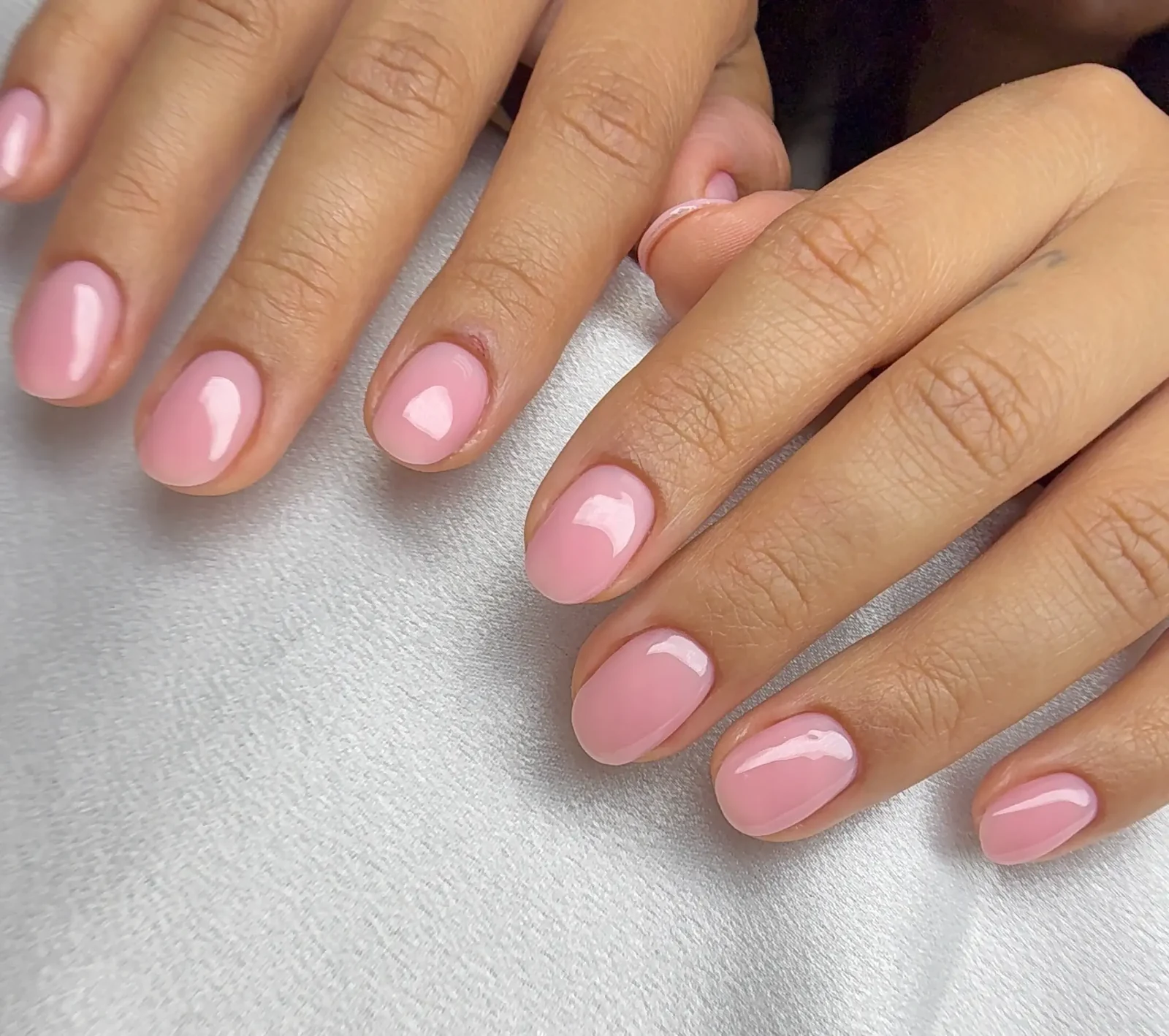
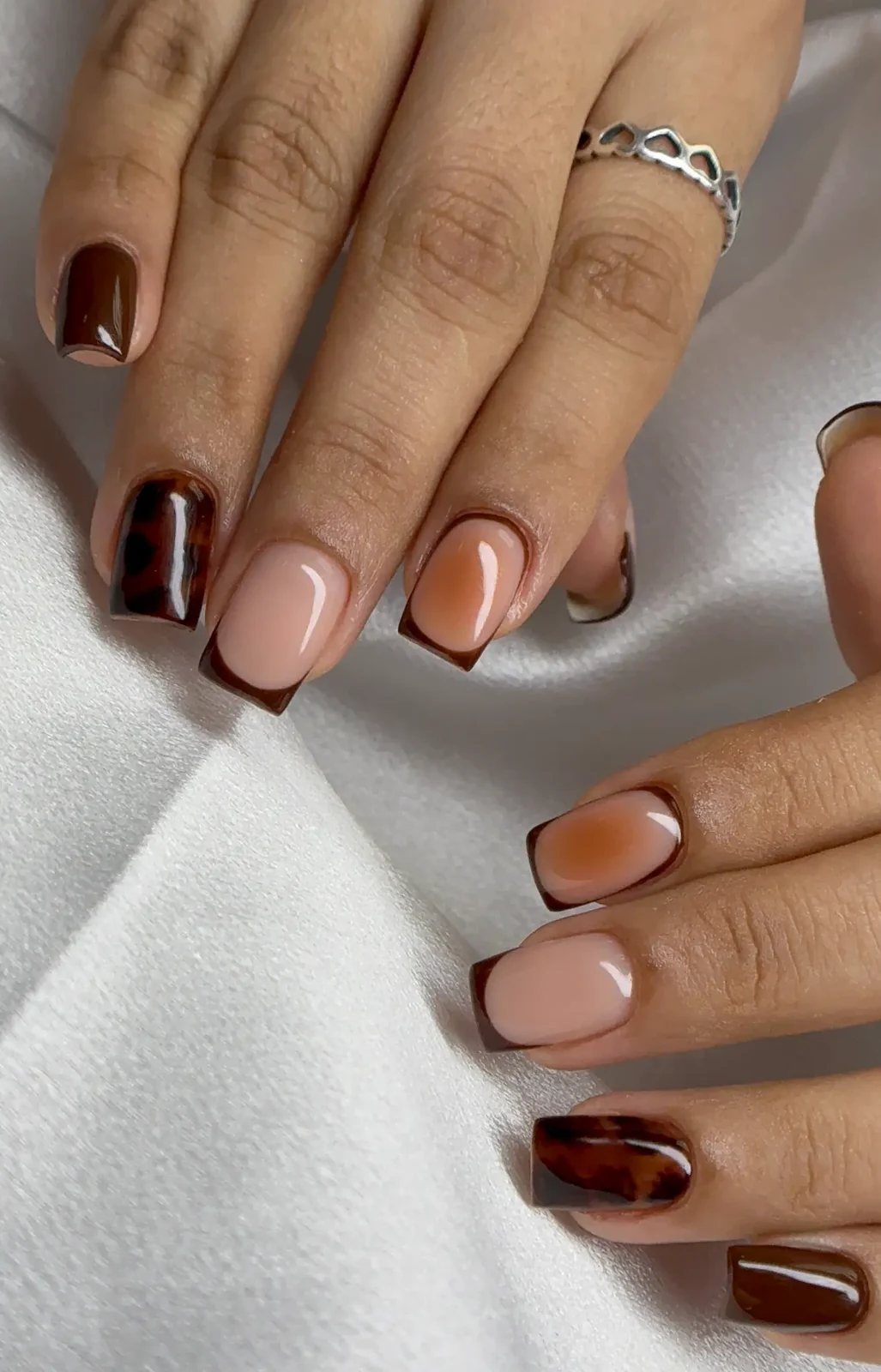
The pink, peach, and brown examples above are real client work. The beige colors are illustrative.
When you say you want nude nails, you might mean a color that blends quietly with your hands. Or you might be picturing a soft pink, a pale creamy neutral, or a deeper brown. Those are different looks, and none is the only correct version of nude.
I find it more useful to start with what you want to see than to assign you a shade based on your complexion. Pink, peach, beige, and brown are color options, not categories of people. Here's how I'd narrow them down without making the choice more complicated than it needs to be.
Start with the look you want on your hands
Before choosing a color family, decide how much you want your nails to stand apart from your hand. Try finishing this sentence: I want my nails to...
- Blend with my hands, with only a little color contrast.
- Have a soft pink impression, even if the color isn't a close skin match.
- Look noticeably lighter or deeper than my hands while staying neutral.
That gives you a direction. A pale beige can create obvious contrast on one hand and blend on another. A brown can do the same. Neither effect makes the shade a better or worse choice.
Then separate color family from depth. Family tells you whether a color leans pink, peach, beige, or brown. Depth tells you how light or dark it is. You can like beige but prefer a deeper beige rather than a pale one.
Pink nude: rosy or softly muted?
Pink is worth considering when you want your nails to look gently pink rather than match your skin. But two pink nudes can feel quite different. One may be distinctly rosy; another may have enough beige or gray in it to look muted.
Ask yourself whether you want to notice the pink immediately or only see a hint of it. If a choice feels too sweet or too obviously pink beside your hand, a more muted pink may be closer to what you meant. If it feels a little dull, you might prefer more rose. I wouldn't rule out the whole family because one pink isn't your favorite.
Peach nude: a hint of apricot warmth
Peach brings a hint of apricot warmth. Some peach nudes lean toward pink, while others sit closer to beige. That distinction matters if you want warmth without a noticeably peach-colored nail.
Compare the idea of peach with a warm beige: are you drawn to the apricot hint, or do you actually want a sandy, tan-looking neutral? Saying a little warmth, but not much peach is useful. So is saying you want the peach to be visible. Beside your own hand, look for the amount of warmth you enjoy rather than trying to pass an undertone test.
Beige nude: creamy, tan, or greige?
Beige covers more ground than the name suggests. It can look pale and creamy, warmer and tan, or gray-beige, often called greige. If you ask for beige and picture cream while your reference looks closer to greige, those are two different starting points.
I like to make that preference explicit: do you want warmth, or a more gray-toned beige? Then consider depth. A creamy shade might give you the lighter neutral contrast you want, while a deeper tan may feel closer to your hand. If a beige looks too gray or too yellow to you, that reaction helps narrow the next choice.
Brown nude: latte through chocolate
Brown nudes range from lighter latte shades to deeper chocolate tones. Within that range, a brown might lean rosy, caramel-warm, or more muted. Brown doesn't automatically mean dark, and it isn't reserved for any particular complexion.
Start by deciding whether you want it near the depth of your hand or deliberately deeper. Then describe the direction: a pink-brown, a warm brown, or a quieter taupe-brown. If you love brown but one option feels too orange beside your hand, the answer may be another brown rather than switching families. These descriptions are ways to explain a preference, not a promise that every variation is currently available.
Aprés nude swatches: a named reference
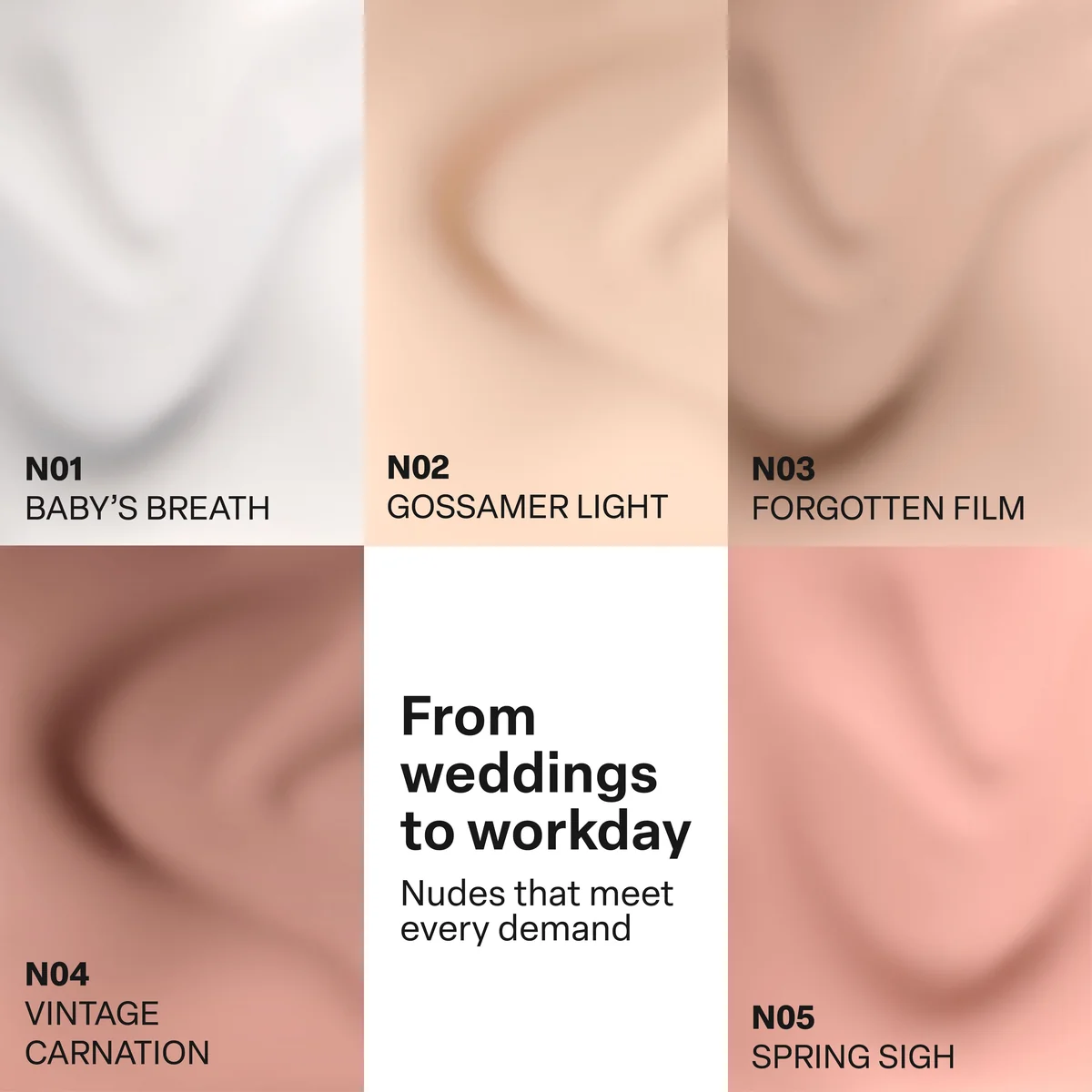
I use Aprés in the studio. Its All The Nudes You’ll Ever Need bundle gives you a useful named reference: Baby’s Breath (N01), Gossamer Light (N02), Forgotten Film (N03), Vintage Carnation (N04), and Spring Sigh (N05).
Aprés describes this range as sheer and buildable, which is a good reminder that the same color direction can have different levels of coverage. You do not need to memorize the names. Save the example you prefer and tell me whether it is the color, depth, or softer coverage you like. The exact shades available at your appointment can vary.
Choose depth and coverage separately
Once you have a family in mind, compare available choices alongside your own hands. You can ask me to help with that comparison. Look at whether you prefer a close blend, a lighter contrast, or a deeper contrast. Keep your goal from the first step in mind instead of looking for a shade someone has declared universally flattering.
Coverage is a separate question. Sheer color leaves your natural nail visible. More coverage shows more of the polish's color. A sheer nude and an opaque nude in a similar family won't give exactly the same impression because the sheer version lets your natural nail contribute to the look.
Changing coverage won't necessarily fix a color family you dislike. If the peach itself feels too warm, say that. If you like the peach but don't want your natural nail showing through, ask about more coverage instead.
Use reference photos for direction, not an exact match
When you browse my nail inspiration gallery, save a photo because you can name what you like about the color. Is it the muted pink, the creamy beige, or the contrast between the nails and the hand? That detail is more useful than simply calling the whole look nude.
Lighting changes how color appears, as X-Rite explains in its guidance on color evaluation. A shade can look different in daylight and indoor light. Cameras and screens also mean photos aren't exact swatches, so use the picture as a starting point, then compare your preferences alongside your own hands.
You don't have to know the polish name. An inspiration photo alone can't tell us the exact product used, even when the color looks familiar.
Turn your choice into an appointment request
A short request can bring all of this together. You can copy this and change the words that don't fit:
“I’d like a warm beige, a little deeper than my hand, with more coverage rather than a sheer wash. Can we compare the available options?”
Nude is a color choice, not a service or product choice. For gel polish on your natural length with a detailed manicure, see my Russian manicure service. For structured support, consider builder gel. For added length, see Gel-X. If length is still undecided, my guide to choosing nail length can help with that separate question.
When you're ready to book your appointment, use the current booking menu for service details. Bring your color preference and any reference photo. You don't need a perfect shade name, just a sense of what you'd like to see on your own hands.
Found your color family? Let’s choose your nude.
Bring a favorite reference to your private appointment. Kim can help you narrow down the shade, coverage, and service for the look you want.
Book your appointmentRelated Posts
- How to Choose Between Short, Medium, and Long Nail Lengths
- The Modern French Manicure: Micro French, Colored Tips, and Everything In Between
- Dual Forms: The Secret to Perfectly Shaped Builder Gel Nails
- Gel-X vs Builder Gel: Which Is Right for You?
- How Long Does a Russian Manicure Last? What to Expect